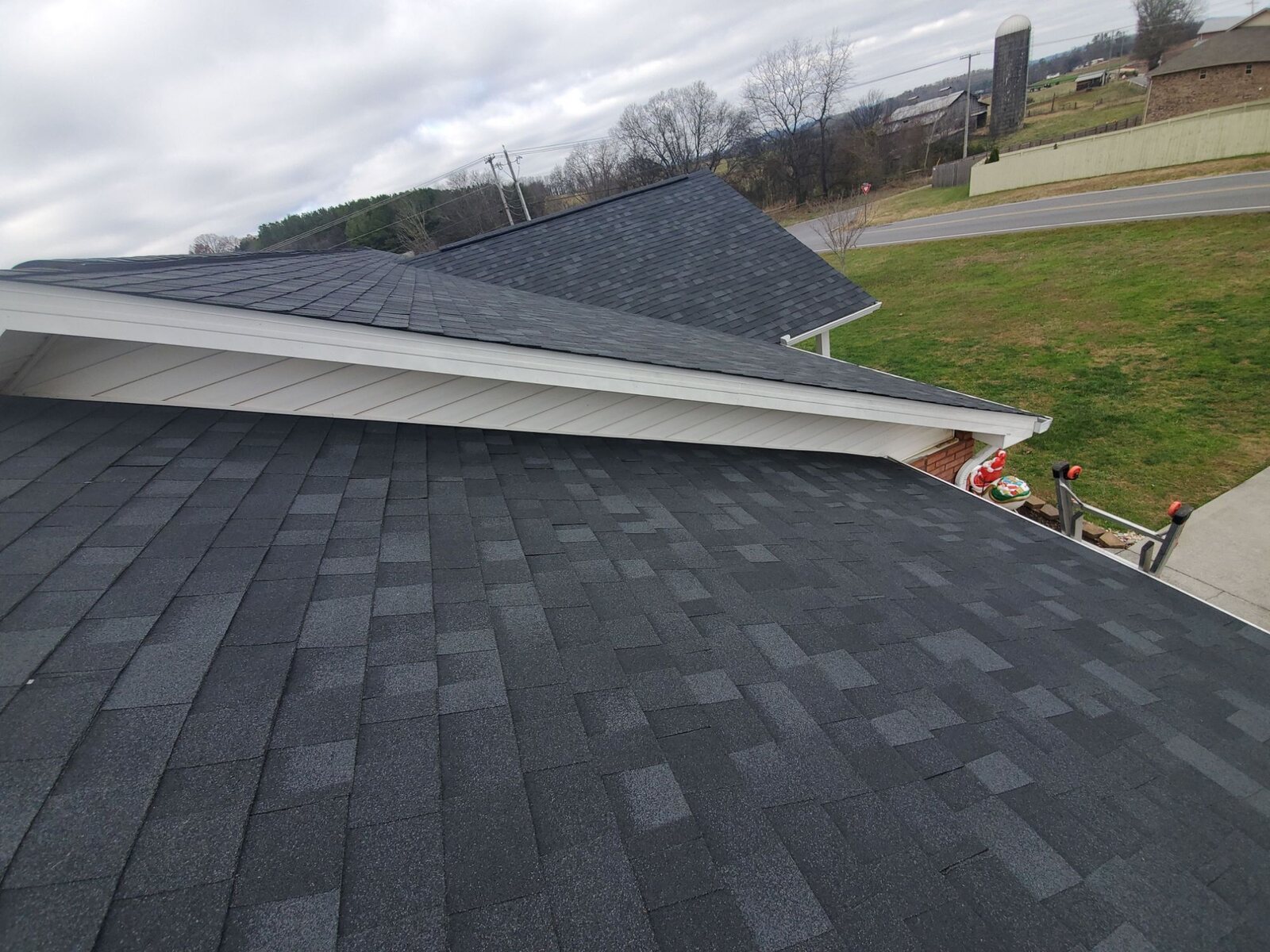
Every year about this time, we get the same question from homeowners around Knoxville, Maryville and Sevierville. My roof needs to be replaced, but it is almost winter. Should I wait until spring?
It is a fair question. Nobody wants a crew tearing shingles off their house in the wrong weather, and nobody wants to live with a leak until April if they do not have to.
Here is the straight answer, what actually changes on a cold-weather job, and what to ask before you put one on the calendar.
The short answer for East Tennessee winters
Yes. A roof can be replaced in winter here, and we replace them every month of the year.
Our winters are not like winters up north. Cold snaps come and go, but they are usually broken up by mild, dry stretches that are good roofing weather. A typical January in Knox or Blount County gives a crew plenty of workable days. The higher elevations around Gatlinburg and Wears Valley are a little tougher, but even there the windows are real.
What changes is not whether the work can be done. It is how. Cold weather asks more of the crew, the materials and the schedule, and a good roofer plans for all three.
How cold weather affects shingles and how good crews handle it
Asphalt shingles are made to be installed in a wide range of conditions, but they behave differently when it is cold.
Shingles get stiff. In warm weather a shingle bends easily over a ridge or into a valley. In the cold it is more brittle, and a shingle that is forced can crack. Crews handle this by storing bundles somewhere warm until they go up, carrying them to the roof in smaller batches, and taking more care with cuts and with hip and ridge pieces.
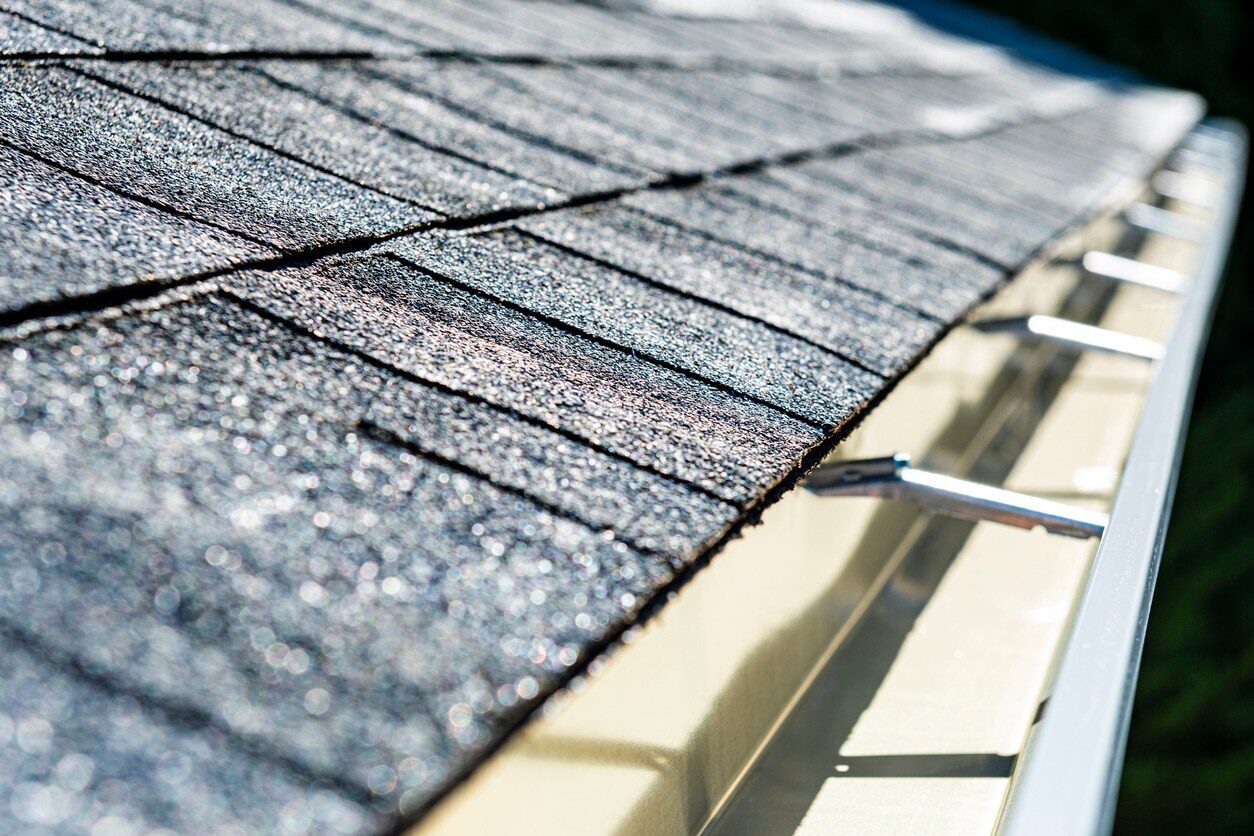
The self-seal strip needs sun and warmth to bond. Every architectural shingle has a strip of adhesive that softens in the sun and glues each shingle to the one below it. That seal is what keeps the roof tight in wind. In winter the bond takes longer to set, and on a shaded north slope it may not fully happen until the weather warms.
The manufacturer has a plan for this. Owens Corning and the other major shingle makers publish cold-weather application instructions, and that is what a good crew follows. Depending on conditions, those can include hand-sealing shingles with roofing cement where the manufacturer calls for it, adjusting how shingles are handled and fastened, and paying extra attention to rakes, eaves and ridges where wind pressure is highest. As an Owens Corning Platinum Preferred Contractor, we install to those instructions because the warranty depends on it.
Nailing matters more, not less. With the seal strip slower to grab, the nails are doing more of the work for the first few weeks. Correct nail placement and the manufacturer's nailing pattern are the difference between a roof that rides out a February front and one that does not.
Picking the right days: rain, frost, and short daylight
The other half of a winter job is the calendar. On a cold-weather replacement, the crew lead is watching a few things every morning.
Rain. This is the obvious one. A roof does not get torn off when rain is likely that day. East Tennessee winters tend to be wet, so a job that would take two days in June might be spread across a week or more while the crew waits on dry windows.
Frost on the deck. Clear, cold mornings leave frost on the roof and the underlayment. That makes for slippery footing, and it keeps shingles from sealing. On those mornings the crew starts later, stages materials on the ground, and waits for the sun to clear the deck before anyone goes up.
Wind. Winter fronts bring gusts that make underlayment and loose shingles hard to handle, and freshly installed shingles are vulnerable until the seal strip bonds. A good crew will not open a roof on a day with strong wind in the forecast.
Short daylight. This one catches people off guard. The sun sets early in December, and the rule we follow is simple. Only tear off what can be dried in and shingled the same day. That means smaller sections, and it means the house is never left with open decking overnight. If the forecast turns, the crew stops tearing off and gets everything covered and watertight before dark.
Pros and cons of scheduling a replacement in winter
Winter is not the perfect season to replace a roof, but it has real advantages for some homeowners.
Pros
- The schedule is easier. Spring and summer are the busiest time of year for every roofer in the Knoxville area. In winter you are likely to get on the calendar sooner and have more say over the date.
- A failing roof does not have to limp along. If you have an active leak, soft decking, or shingles coming off in every wind, waiting until April means months of water getting into the house.
- The leak stops now. Water that runs into a ceiling or a wall all winter does damage that has nothing to do with the roof itself.
Cons
- More calendar days. Shorter workdays and weather delays stretch the job out. Plan on it taking longer from start to finish than the same roof would in summer.
- Called-off days. A crew may show up, check the deck and the forecast, and decide it is not a day to work. That is the right call, but it can be frustrating if you took a day off to be home.
- Sealing takes longer. Shingles installed in January may not fully seal until the weather warms. Hand-sealing covers the critical spots, but your roofer should explain this up front.
If your roof is sound and simply getting old, there is nothing wrong with waiting for spring. If it is leaking or losing shingles, winter is a fine time to fix it with a crew that knows how.
What to ask your roofer before a winter install
Any roofer can say they do winter work. These questions tell you whether they have thought it through.
- How do you handle cold-weather sealing? You want to hear the manufacturer's name and the words cold-weather application instructions. Hand-sealing and warm storage for bundles are good signs.
- What is your plan if weather moves in mid-job? The answer should include stopping tear-off, drying in whatever is open, and having tarps and underlayment on the truck before the first shingle comes off.
- How do you protect the house overnight? No open decking at the end of the day. Every exposed section gets underlayment or ice and water shield before the crew leaves.
- Who is supervising on site? Winter is when judgment calls get made by the hour. Someone from the company should be on the job making them, not just a crew with a phone number to call.
- Will the warranty be the same as a spring install? A full replacement installed to the manufacturer's instructions carries the same coverage in winter as it does in June. Ask them to confirm that in writing.
Brian King Roofing has been replacing roofs across Knox, Sevier, Blount and Anderson counties since 1991, in every season. We are family-owned, based in Seymour, and we follow the manufacturer's cold-weather instructions on every winter job because our name goes on the roof.
If your roof needs attention this winter and you want a straight answer on whether to go ahead or wait, call us at 865-573-6859.
Ryan King Brian King Roofing, Inc. Trust the roof over your head.