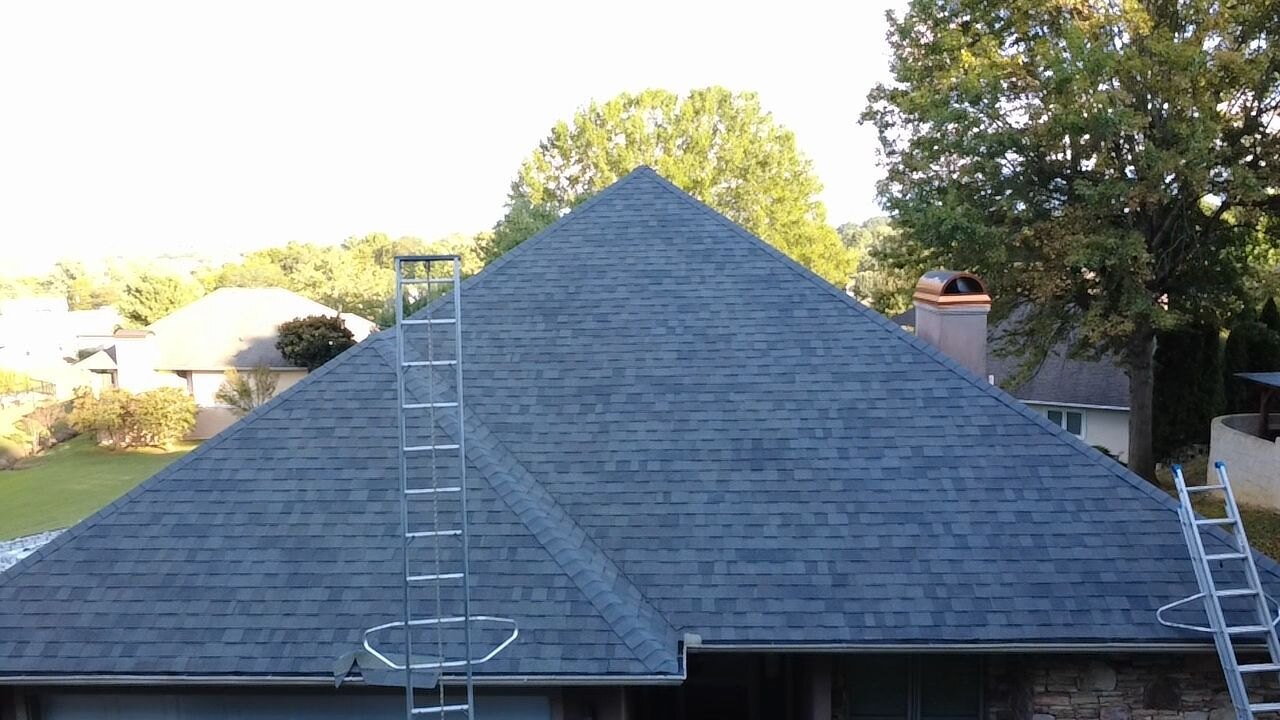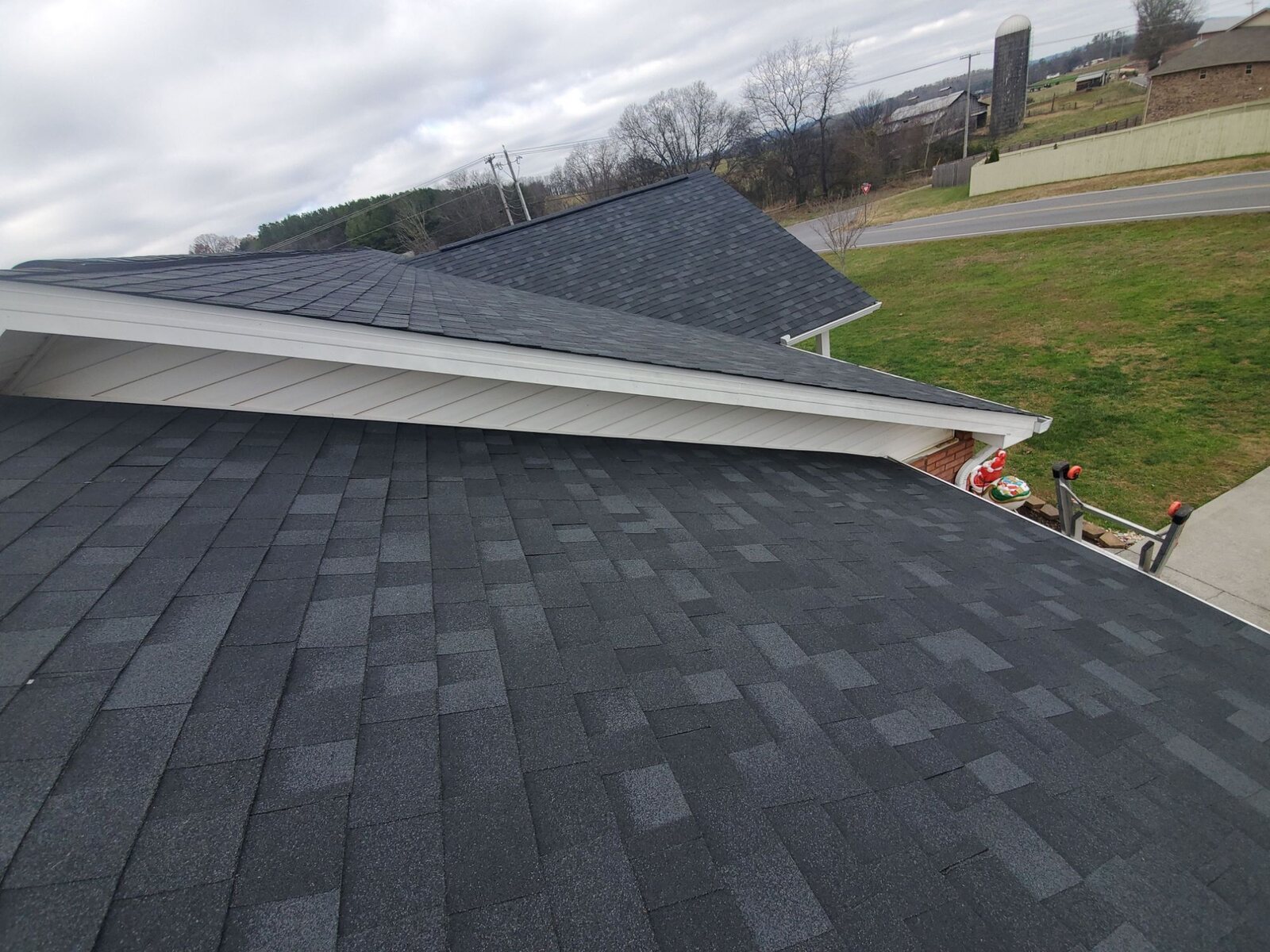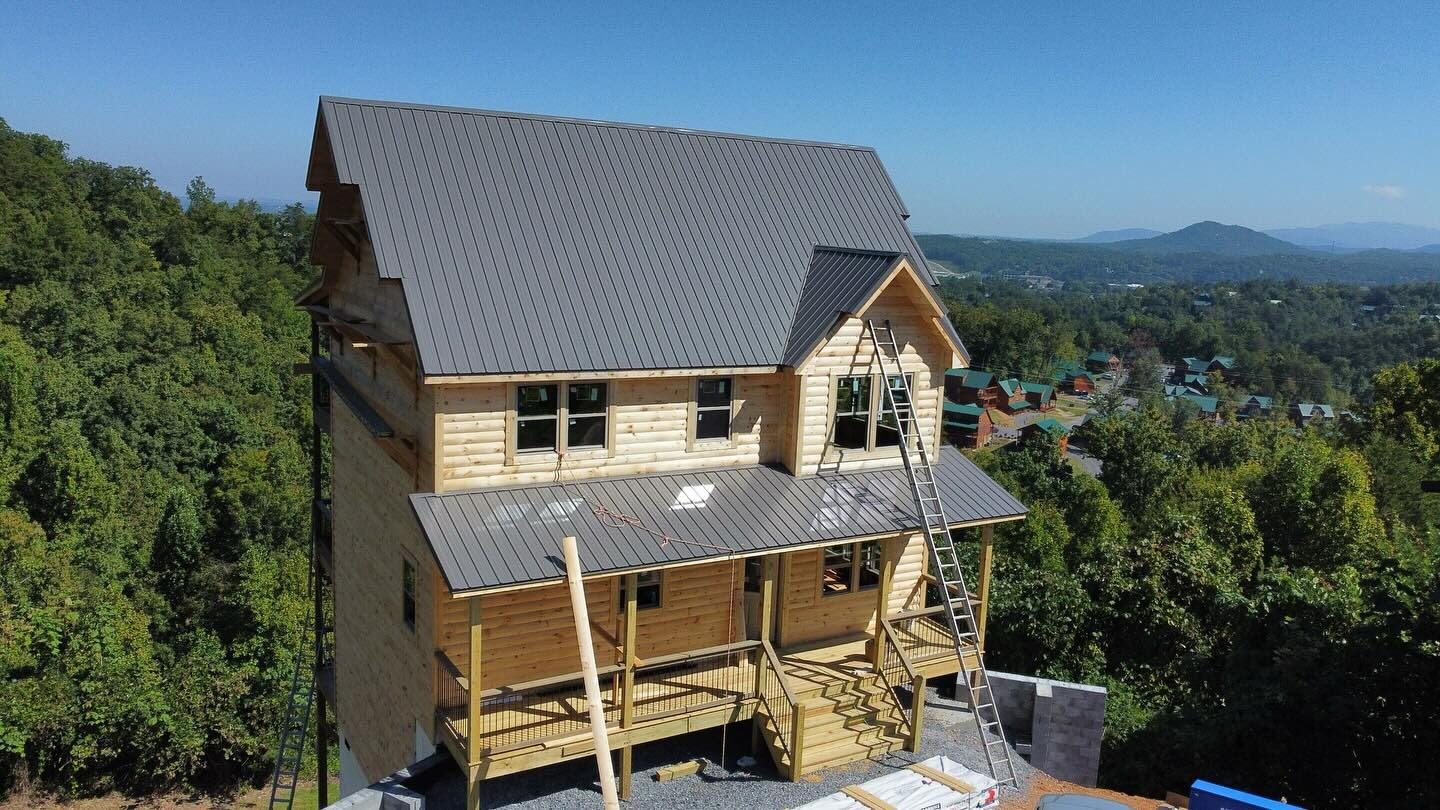
Fall is the best time of year to look at your roof, and not just because the weather is nice. The leaves are about to come down, the first freeze is a few weeks out, and anything that's already a small problem up there is about to get tested by months of wet, cold, and thaw-and-refreeze cycles.
Most of the roof repairs we do in January and February started as something a homeowner could have caught in October. Here's what to look for, what you can safely do yourself, and when to call us.
1. Clean the Gutters (Twice)
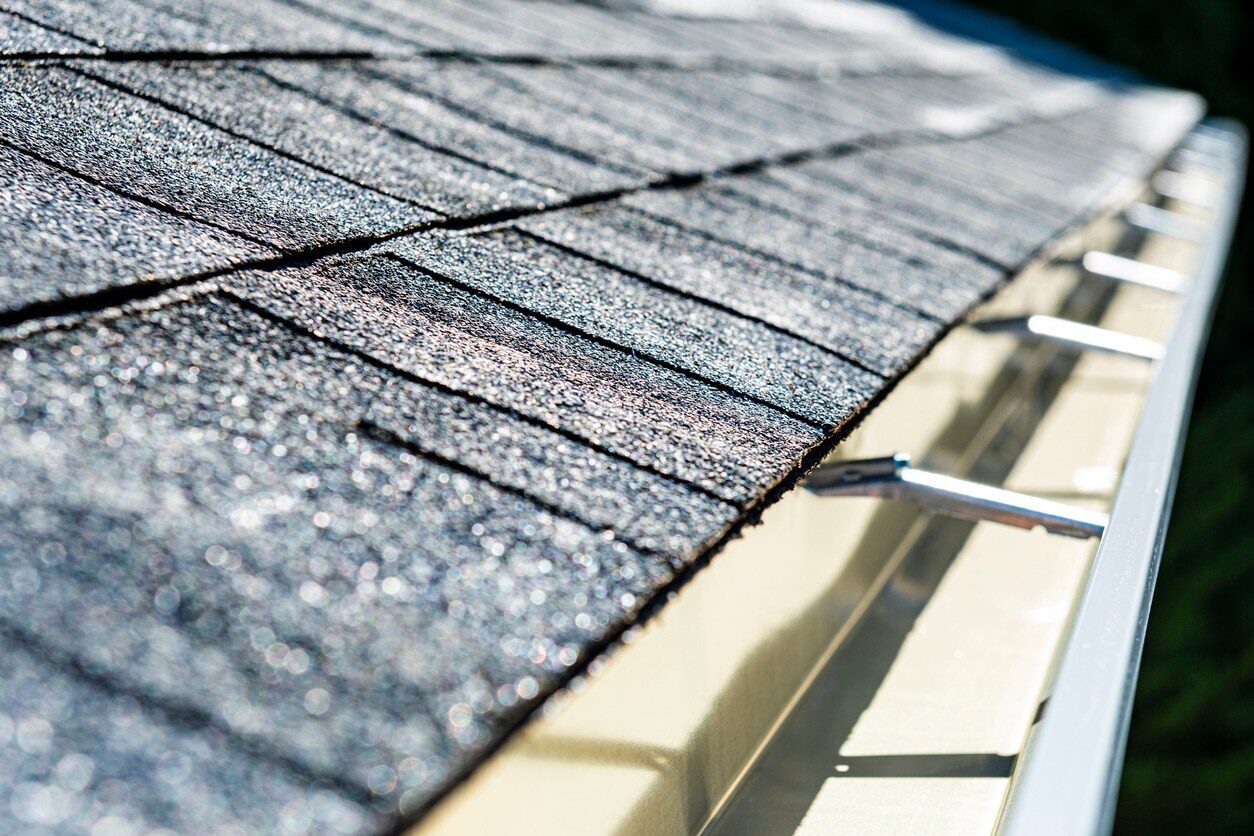
Gutters are the single most important fall maintenance item in East Tennessee, and you'll need to do them more than once. Clean them once when the leaves start falling and again after most of the trees are bare.
When gutters clog, water backs up under the first course of shingles, soaks the fascia board, and in a cold snap it freezes and lifts the shingle edge. We replace a lot of rotten fascia every spring that started as a clogged gutter the fall before.
While you're up there, make sure the downspouts actually drain. Run a hose into the gutter and watch where the water goes. If it pools at the foundation, add an extension so it discharges a few feet from the house.
If you're on a two-story home, on a steep lot, or just not comfortable on a ladder, this is a job worth paying someone to do. Gutter guards are also worth considering if you're surrounded by trees. They don't eliminate maintenance, but they cut it down to a quick rinse instead of scooping out muck.
2. Clear the Valleys and Behind the Chimney
Valleys are where two roof slopes meet, and they carry more water than any other part of the roof. When leaves and pine needles pile up in a valley, they hold moisture against the shingles and slow the water down. Over a winter, that's how valleys start to leak.
The same goes for the uphill side of a chimney or any wall that meets the roof. Debris collects there, holds water, and works at the flashing.
You can usually clear these from a ladder with a leaf blower or a soft broom. Don't pressure wash a shingle roof. It strips the granules and takes years off the roof.
3. Look at the Roof from the Ground
You don't have to climb on the roof to spot the most common problems. Walk around the house with binoculars and look for:
- Missing, cracked, or curled shingles. Curling means the shingles are near the end of their life. A few missing tabs after a windy summer is a repair.
- Shingle granules in the gutters or at the bottom of the downspouts. Some loss is normal. Piles of granules mean the shingles are wearing out.
- Sagging along the ridge or between rafters. That's a decking or structural issue, and it needs a professional look.
- Moss or dark streaks. Algae streaks are mostly cosmetic. Moss holds moisture and should be addressed, but gently.
- Rust streaks below a pipe or vent. That usually points to a failing pipe boot or a rusted flashing.
4. Check the Flashing and Pipe Boots
Flashing is the metal that seals the roof around chimneys, walls, skylights, and vents. Pipe boots are the rubber collars around plumbing vents. Together they cause more leaks than the shingles themselves.
From the ground or a ladder, look for:
- Flashing that's lifted, bent, or pulling away from the chimney or wall
- Caulk or sealant that has cracked and separated
- Rubber pipe boots that are cracked, split, or hardened
- Rust on any metal flashing
Standard rubber pipe boots often fail in 8 to 12 years in our sun. If yours are original to a 15-year-old roof, they're overdue. We install lifetime pipe boots on every new roof for exactly this reason, and we can swap them out on an existing roof as a small repair.
5. Trim Back Overhanging Limbs
Any limb hanging over the roof is dropping leaves and needles into your gutters, shading the shingles so they stay damp, and one ice storm away from coming down on the house. Trim limbs back so nothing touches the roof and nothing hangs directly over it.
This is also the season to look for dead trees leaning toward the house. Winter ice adds a surprising amount of weight to branches, and a dead tree that's been fine for years is the one that comes down.
6. Look in the Attic
Half of roof maintenance happens from the inside. Grab a flashlight and go up on a sunny day.
- Daylight through the roof deck means a hole, a missing shingle, or a gap at a vent.
- Dark stains or damp spots on the underside of the decking mean water is getting in, even if nothing has shown up on the ceiling yet.
- Wet or compressed insulation is a leak that's been going on for a while.
- Frost on the nails in winter means the attic isn't ventilating properly and moisture is condensing.
While you're up there, check that the insulation isn't blocking the soffit vents at the eaves. Blocked soffits are one of the most common causes of shingle roofs aging early in East Tennessee. The attic gets hot, the shingles cook from underneath, and the roof fails a decade ahead of schedule.
7. Check Around Skylights
Skylights are great until they aren't. In the fall, look at the seal and flashing around each one from inside and out. Any staining on the drywall around the skylight well is a sign water is getting in.
Older skylights with aluminum frames and single panes are the usual offenders. If yours are 20 years old and showing condensation between the panes, plan on replacing them the next time the roof is done rather than trying to reseal them.
8. Know When to Call a Roofer
You can handle gutters, debris, and a walk-around with binoculars. Call us for:
- Anything that involves walking on a steep or two-story roof
- Flashing repairs around chimneys and walls
- Replacing pipe boots or vents
- Any sagging, soft spots, or daylight in the attic
- A roof that's 20 years old or older and hasn't been inspected
A fall roof inspection is quick, and it's the cheapest thing you'll ever have a roofer do. We'll walk the roof, check every penetration, look in the attic if you'll let us, and tell you honestly whether you need a repair, a plan for replacement in a few years, or nothing at all.
Frequently Asked Questions
How often should I clean my gutters in East Tennessee?
At least twice in the fall, once when the leaves start coming down and again after the trees are bare, plus once in the spring. If you're under heavy tree cover, add a mid-fall pass or install gutter guards.
Can I walk on my roof to check it?
We'd rather you didn't. Shingle roofs are slick when they're damp, and a fall from even a single-story roof is serious. Use a ladder at the eave and binoculars from the ground. If you need someone on the roof, call a roofer.
Is moss on my roof a problem?
Moss holds moisture against the shingles and lifts the edges over time, so yes, it should be dealt with. Don't pressure wash it. A gentle roof-safe cleaner and a soft brush, or zinc strips along the ridge to prevent it from coming back, is the right approach.
How do I know if my roof needs to be replaced or just repaired?
Age and extent. A roof under 15 years old with a localized problem is almost always a repair. A roof over 20 years old with curling, granule loss, and more than one leak is telling you it's done. We'll give you a straight answer either way.
What does a roof inspection cost?
Ours is free. We'll come out, look at the roof and attic, and give you a written summary of what we found. If nothing needs attention, we'll tell you that too.
Schedule Your Fall Roof Inspection
Brian King Roofing has been taking care of East Tennessee roofs since 1991. We're an Owens Corning Platinum Preferred Contractor, fully licensed and insured, with a real shop in Seymour and crews working every week in Knox, Sevier, and Blount counties.
If your roof hasn't been looked at in a while, fall is the time. Call us at 865-573-6859 or request your free inspection online, and we'll get you on the schedule before the leaves are down. We've got you covered.